
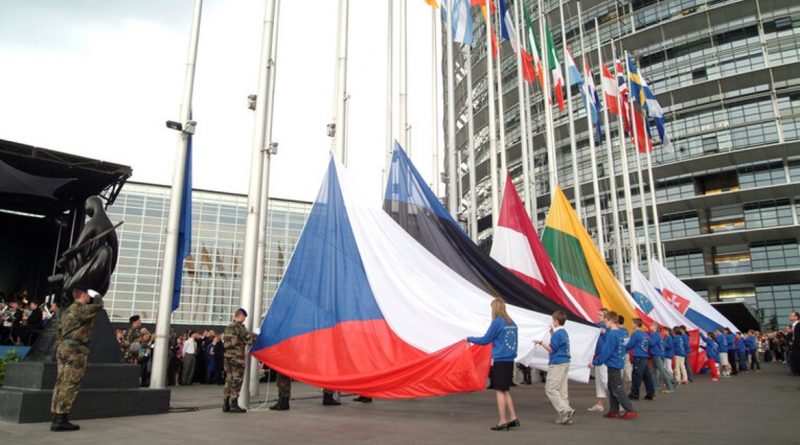
May 1, 2004: When Europe Welcomed Ten New Members
Every year, Europe Day on 9 May reminds us of the beginnings of European integration. Yet another date deserves special attention in the story of the European Union: 1 May 2004, the day when ten countries joined the EU in what remains the largest enlargement in its history.
On that day, Cyprus, the Czech Republic, Estonia, Hungary, Latvia, Lithuania, Malta, Poland, Slovakia, and Slovenia officially became members of the European Union. For millions of citizens, accession marked the culmination of years of political, economic, and social transformation. It was a moment of celebration, hope, and renewed confidence in a shared European future.
The 2004 enlargement was much more than an administrative process. It represented the reunification of a continent that had been divided for decades by the Cold War. Many of the new member states had undergone profound changes since the fall of the Berlin Wall in 1989, rebuilding democratic institutions, reforming their economies, and strengthening ties with their European neighbours. EU membership symbolised both recognition of these efforts and a commitment to a common future.
For citizens, the impact of enlargement was felt in many different ways. New opportunities emerged for travel, study, work, and cooperation across borders. Programmes supporting education, youth mobility, regional development, and cultural exchange became accessible to millions of people. For younger generations in particular, growing up in an enlarged European Union meant experiencing Europe as a space of connection rather than division.
At the same time, the enlargement brought new diversity to the European project. Different histories, languages, cultures, and perspectives enriched the Union and contributed to a broader understanding of what it means to be European. The motto “United in Diversity” became increasingly relevant as the EU expanded to include a wider range of experiences and identities.
Within the EUxFUTURE project, the 2004 enlargement represents one of the key milestones in Europe’s recent history. It is a reminder that European integration is not only a story of institutions and treaties, but also a story of people, communities, and generations whose lives have been shaped by greater cooperation and openness. Through interviews, discussions, artistic activities, and shared reflections, EUxFUTURE explores how these historical moments continue to influence the Europe we live in today.
More than two decades later, the significance of 1 May 2004 remains clear. The enlargement transformed the European Union and expanded the possibilities available to millions of citizens. It stands as a powerful example of how dialogue, cooperation, and a shared vision can help build bridges across borders and create a stronger common future.
Twenty-two years after the historic enlargement, the questions it raised remain relevant: How do we remember this moment? How has it shaped our communities? And what lessons can it offer for Europe’s future? These are some of the reflections that continue to inspire the work of EUxFUTURE.