Why Oral History Matters: Listening to Europe’s Living Memories
European history is often told through treaties, institutions, and official narratives. While these are essential, they rarely capture how historical change is experienced in everyday life. This is where oral history becomes especially important — by giving voice to people whose personal memories bring history closer, more tangible, and more human.
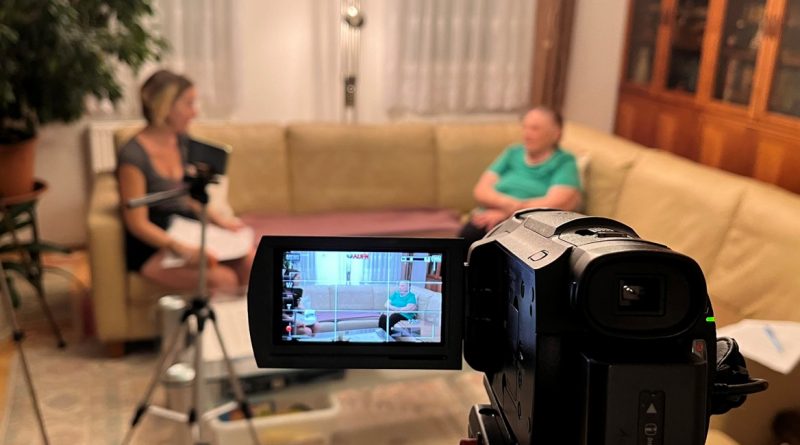
As the EUxFUTURE project began its interview phase, oral history became a central tool for exploring Europe’s past. Through conversations with older participants across different countries, the project focuses on lived experience: how European integration was perceived, felt, and understood over time.
Oral history does not aim to replace historical facts. Instead, it complements them by revealing emotions, doubts, hopes, and personal interpretations that are often absent from written records. Listening to these stories allows us to understand how major European developments — from political transitions to social change — shaped individual lives.
The interview process itself is also meaningful. It creates space for listening, respect, and reflection, encouraging intergenerational exchange and mutual understanding. For younger generations, these conversations offer insights that go beyond textbooks; for older participants, they provide an opportunity to share experiences that are part of Europe’s collective memory.
By focusing on oral history, EUxFUTURE highlights the importance of preserving living memories before they are lost. These stories remind us that Europe’s history is not only written in documents, but carried in voices, experiences, and personal narratives that deserve to be heard.
Disclaimer: Funded by the European Union. Views and opinions expressed are however those of the author(s) only and do not necessarily reflect those of the European Union or the granting authority. Neither the European Union nor the granting authority can be held responsible for them.